)
)
)
The Big Interview: William Kim, CEO, Shinsegae International
Asia’s ferocious pace of retail change
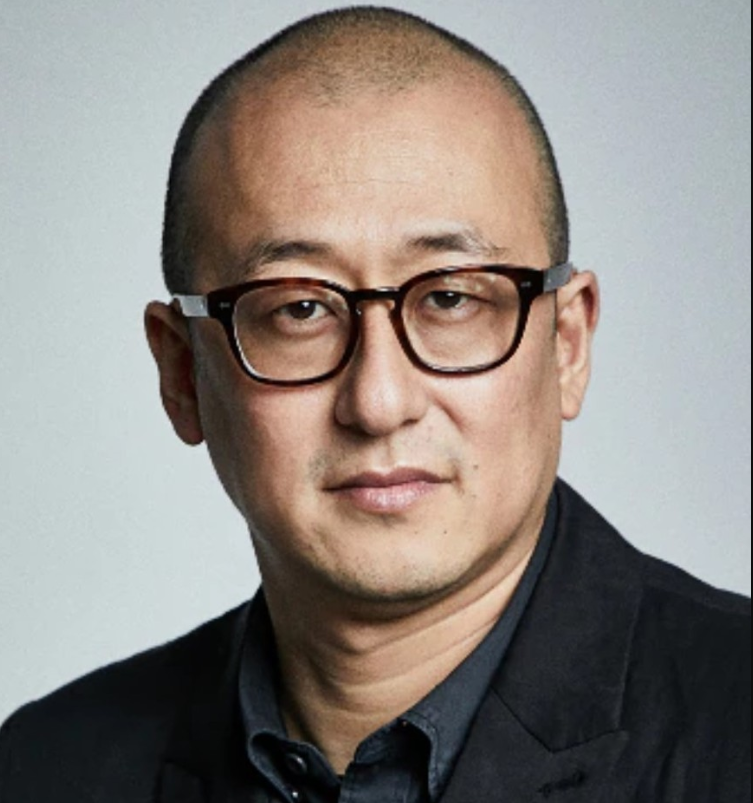
William Kim, CEO, Shinsegae International
What is driving the Korean consumer – we’ve seen so many consumer-driven phenomena from Korea?
In Korea, we have a phrase called “Pali Pali” which means to hurry… and I think this is applicable to the consumer market as new trends are being developed at a ferocious pace. The main reason is the fact that our consumers are curious and adaptive, accepting new ways and brands on an expeditious basis. Curiosity and the willingness to adapt as well as a culture which celebrates creativity in the arts, culinary, fashion and music.
Why is Korean retail so admired and in what areas in particular?
The Korean retail market has developed exponentially over the last 10 years. In particular, the luxury sector is now the seventh largest market and per capita luxury spend Korea has just surpassed the United States to become the most important market in the world. The Korean culture also has become more prominent on influencing the global youth culture… as such, brands have utilized Korea not only to outreach to Korean and Asian consumers but also, global customers by conducting events and global activations utilising the Korean market. Additionally, the Korean Beauty industry has driven innovation-based beauty, speedy new product/trend development/creation and recently the utilisation of AI to become the third largest exporting market globally and Korea has grown to become the fifth largest beauty market.
Korea is one of the most important markets for luxury in the world. Why is that and how is it holding up when luxury is softening in most global markets
Historically, Koreans have had the mindset instead of buying several items, let’s buy the best quality product. Additionally, until marriage, both men and women and their 20s and 30s often live at home with their parents, and as a result enabling a larger disposable income. Thus, in the past, the luxury market was catered to the upper echelon of income households, today there is a much broader base of consumers who continue to seek the best global products. Luxury brands have concurrently in this timeframe developed unique experiences to entice and attract a broader consumer base.
What is exciting you the most about retailing across the key Asian markets ?
In the next 10 years, many amazing opportunities will exist globally. In particular, I firmly believe that from Korea to Abu Dhabi, there will be exponential opportunities in this geographic area.
Whilst most of the markets including China, Japan, Korea, Singapore, and the key market in the GCC region will continue to develop, it will be inspiring to continue to watch how India transforms into one of the biggest middle class expansive markets in the world.
How do you personally keep up with the rapid pace of change?
I observe, observe and observe…. At times I feel like I’m an anthropologist. Observing consumer behaviour is awe-inspiring and fascinates me. Additionally, reading what is happening locally, regionally and globally is critical to expand the observation process to formulate opinions on where we are today and where the trend is evolving to. Connecting the dots to constantly generate new insights - thus, my aim is always to look at the road ahead vs. Driving the car thru the rear-view mirror.
Technology and AI in particular are set to transform retail. Where do you think retail leaders should be focussing to ensure they stay ahead of this transformation?
As I stated earlier, reading and observing is critical, however, as technology and AI transforms, we have a tremendous opportunity to once and for all solve optimum inventory in all channels, which turns expeditiously enabling a speedy go to market supply chain. Thus, finally resolving how many units of inventory to create, in which channels, by location by style by colour by size. This model would be additive to developing enterprise value growth vs. A negative factor on value creation. A massive opportunity exists to radically improve end to end supply chain, Go to Market strategies in all product categories but vs. AI, we must transform how existing cultures and be adaptive.
What does the retail roadmap to 2030 look like for your business?
Consumers today have more information and are more knowledgeable than companies and brands. They are outpacing innovation adoption on an expeditious basis! As such, companies have a tremendous opportunity to revamp, rethink and re-engage their respective teams to develop an operational model which can delight, excite and deliver the unexpected to consumers. Status quo will not be sufficient as we must adapt to new models of business in 2030. I often refer to back 20 years ago when streaming services was on the cusp of dynamic growth vs. the video rental model, which had an opportunity to adapt and change and ultimately didn’t! The relationship with consumers can be deepened and must be deepened but the business model must change and organisations must change and embrace change. An incredibly fun challenge awaits and with immense teamwork, I am sure that many amazing transformations will take place as well as new models being created.