)
)
)
Setting out the Retail Roadmap to 2030
The next five years look set to be see the most radical transformation to ever impact the global retail industry. Which is why the 2026 Congress theme will be “retail’s roadmap to 2030”. To start the discussions, we asked a selection of retail leaders for their views on what that roadmap looks like for their businesses and the industry.
Ignacio R. Sierra Armas, Corporate General Manager, TENDAM

The 2030 horizon for TENDAM is now a challenging and a motivating one given our new business plan with a new, long-term shareholder, Multiply Group. This plan will see exponential growth by opening physical stores for our new digitally native brands, adding others, organically or acquired, and growing our third-party brands platforms.
This new scenario for the next five years coupled with the current regulatory environment in Europe focused around sustainability, and against an even more competitive background, will see us updating the impact analysis and making ESG compromises.
One of the main advantages for TENDAM at this critical moment, and as anchor of Multiply 's vertical in fashion and retail, is to be an early adopter in data, analytics as well as in AI in which our new shareholder is strongly involved.
As a strong customer loyalty-based company since we launched our first Club for the Cortefiel brand in 1979, we have developed a differentiated customer relationship proposal based on mutual knowledge and good information. This, combined with TENDAM´s omnichannel spread on direct managed territories allow us to get interesting efficiencies, especially in better inventory management and operating leverage.
Mindy Grossman, Partner, Vice-Chair, Consello Group, Board Member, VF Corporation, Fanatics

We need to be what consumers expect of us as brands – which becomes even more important when consumers are narrowing their focus on what and how they will spend their money and focusing on brands they trust.
But loyalty isn’t just about a discount – it’s about communicating, connecting and building relationships with customers. In other words, loyalty is making people feel valued. Brands must stay true to who they are and understand who their audience is, which increases their mindshare by being more present in real, authentic ways.
CEOs are tasked with capturing share in an environment where fewer dollars are being spent. As leaders, you need to get those dollars: Consumers have choices, and you must be top of mind. In this vein, companies need to be thinking about what they have permission to do, what their relationships with customers create and how their biggest fans can become their biggest, most loyal advocates.
This is an extract from a longer article by Mindy. The full article can be found here.
John Hadden, CEO, Alshaya
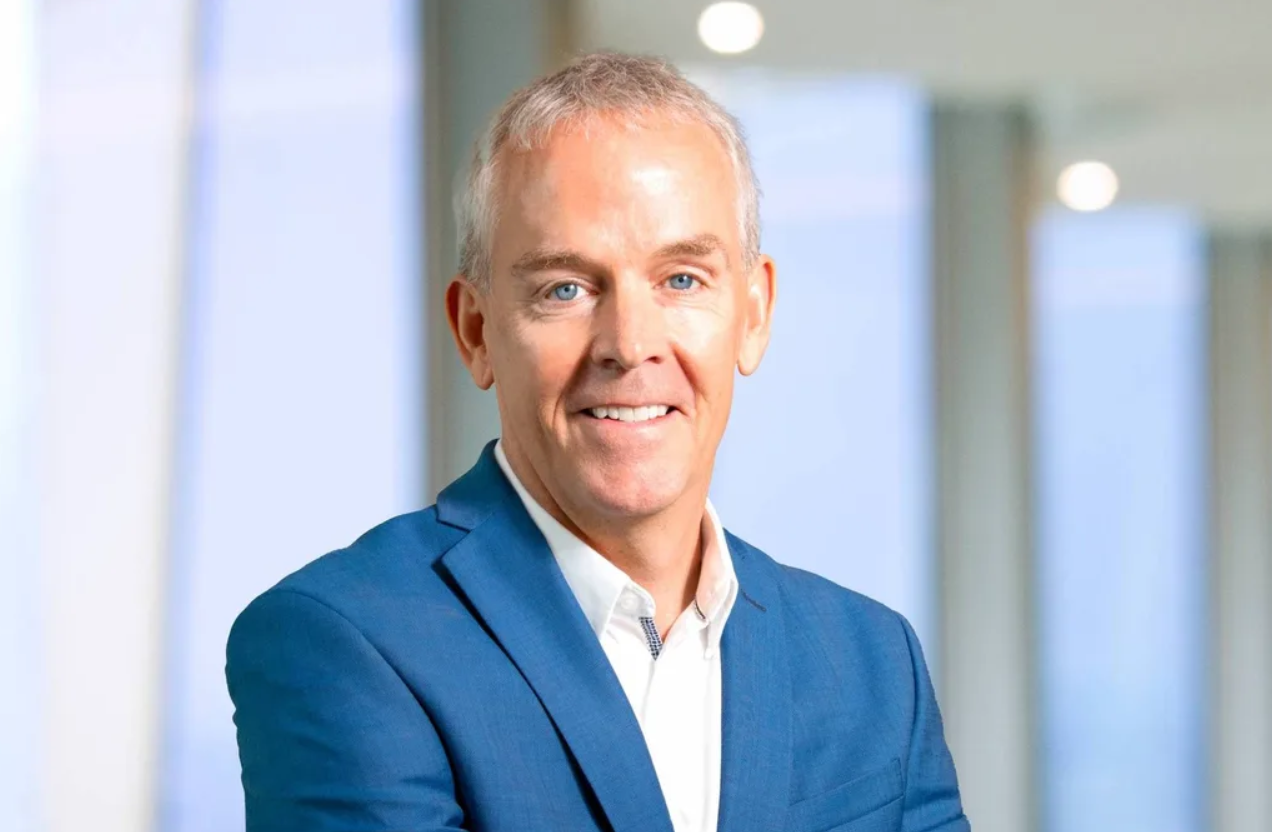
Over the next five years, there will be much change in the retail sector, at a greater pace than we have ever witnessed before.
In the Middle East, economic growth is continuing at a faster rate than the global average, populations are growing and visitor numbers are increasing. Customer expectations will continue to demand that we provide a more experiential connection to our brands, as shopping and entertainment converge further.
Technology will drive changes in all areas of business – perhaps in ways we are yet to experience.
Online and physical shopping will become more aligned, driven using AI, and the way we use data to respond to the resulting customer needs will become even more important.
The Middle East will continue to become a centre for retail excellence, from the opening of one of the world’s largest malls - The Avenues in Riyadh in early 2027 - to continuing to attract the world’s most loved brands to engage customers with their best stores and best experiences.
We must continue to adapt to this by bringing the best ways of working, the best talent and working with our global brand partners to ensure we respond to what will be an even more competitive retail industry.
Michelle Lau, Managing Director, France, Alibaba.com

The retail landscape is undergoing a paradigm shift. The introduction of new technologies, particularly AI, is creating new opportunities and challenges for retailers. For instance, new tools enable retailers to discover suppliers, manage the procurement process and analyse unique and trendy products with greater efficiency and reliability. However, to ensure that retailers stay competitive, it is vital that they successfully integrate digital tools, while maintaining strong relationships with their suppliers.
Digital sourcing platforms will be central to this transformation. At Alibaba.com, we are committed to making it easier for SMEs to buy and sell globally. Innovations such as live-streaming, hybrid trade shows and virtual factory tours help to simplify the procurement process, shorten sales cycles and build stronger connections between SMEs and global suppliers. This is coupled with our recent launch of Accio, the world’s first B2B AI search engine, which helps business turn vague product ideas into an actionable development plan, complete with market insights, regulatory guidance, and supplier vetting. These innovations will support SMEs in navigating supply chain disruptions which threatens their profitability and capacity to meet market demands. By providing increased efficiency as well a clearer visibility of suppliers, businesses can remain competitive.
Over the next 5 years, our focus will not only remain on helping SMEs to harness these digital innovations, but supply them with the latest technology to drive efficiencies, build and maintain a robust network of global suppliers, and futureproof supply chains.
Enrique Ostalé, Chairman of the Board, Falabella
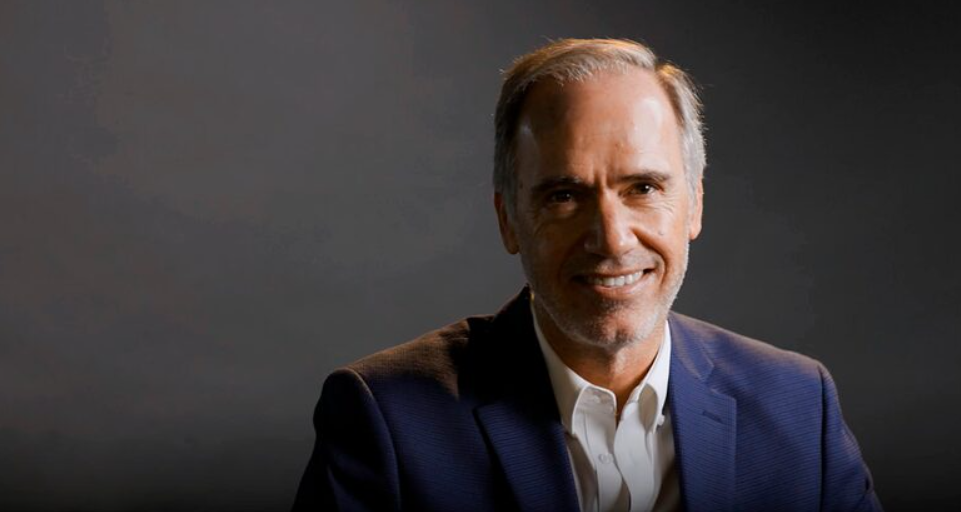
At Grupo Falabella, our 2030 roadmap is built on the strength of our ecosystem — retail, financial services, and shopping centres — to drive greater customer stickiness at a lower cost.
These businesses create more value together, and we see significant opportunities to deepen interactions across our companies, generating more value for customers and powerful synergies. By sharing services and leveraging scale, we can operate with greater agility, improve efficiency, and grow sustainably.
We are unifying data across the ecosystem and leveraging AI to deliver personalized experiences and anticipate our customers’ needs ahead of their expectations. As customers move between physical and digital channels, we are focused on delivering seamless omnichannel experiences. In a world where products are becoming increasingly commoditized, what truly sets us apart is the experience we offer — blending convenience, service, and inspiration across every channel.
Being present throughout the entire customer journey — from retail to banking and malls — gives us a unique advantage, building recurring engagement and long-term relationships with our customers.
Petra Scharner-Wolff, CEO, Otto Group

As the largest European online retailer, we can draw on our strength and market significance to shape digital retail and services of the future. By 2030, we will have achieved a significantly higher degree of financial freedom.
We are focusing even more strongly than before on scaling successful business models in the fields of marketplace, brand and service. And we seize specific opportunities that arise from the use of the latest technologies – artificial intelligence in particular – to improve our business, make it more efficient and create clear competitive advantages.
Ian McLeod, Non-Executive Director, Kingfisher, former CEO, DFI Retail Group, Coles Retail Group and Southeastern Grocers

Technological change continues to stimulate significant, accelerated shifts in consumer behaviour. Demand for product insights, combined with purchasing convenience has never been greater.
Our digital lives have an ever-increasing dominance in retail decision making and this will only continue to grow. Technological advancement has bred a connected and impatient consumer. The best retailers integrate themselves into the everyday lives of customers, by developing seamless online and offline service solutions, utilizing multiple touch points to channel and fulfil consumer needs, not only for value, but also for speed of choice, speed of selection and speed of delivery.
Retailers that will thrive will be those who will design a consumer proposition, a digitally enabled ecosystem, that prioritizes the elimination of friction points within online to offline, one that embraces AI to develop efficiencies to personalize and enhance the purchasing preferences by customer and one that rewards loyalty through brand multiplier techniques. It will be the retailer that satisfies customers in whatever physical / virtual combination the customer chooses, in a timeframe that suits them, that will build dynamic competitive advantage
Constant change at pace will win the performance race to 2030. The gulf between those that thrive and those that dive will only widen.